

Project Developer NSW
Case Study - NSW BESS Noise Compliance Resolution
Enhar successfully resolved a critical noise compliance challenge at a 300 MW Battery Energy Storage System (BESS) site in NSW.
Key Achievements:
- Compliance Achieved: Post-mitigation noise levels were verified to be below EPA guidelines across all operational modes.
- Benchmark for future BESS Projects: Through the application of robust analytical methods and state-of-the-art technology, we overcame a major noise compliance and regulatory challenge, enabling the delivery of an efficient and compliant outcome.

Impact


Project Scope
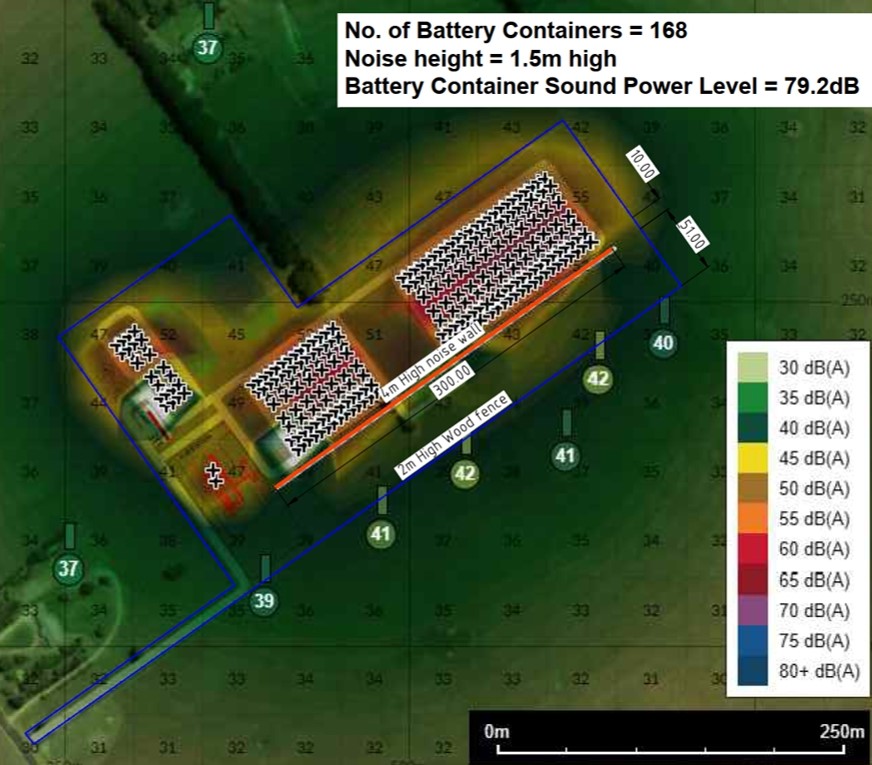
Sound impact modelling using SoundPlan software
Layout optimisation protecting constructability and space efficiency
Scenrario comparisons with drawings and sound power level predictions at closest neighbours
Iteration with accoustic consultant before and after layout optimisation by Enhar
Project Details
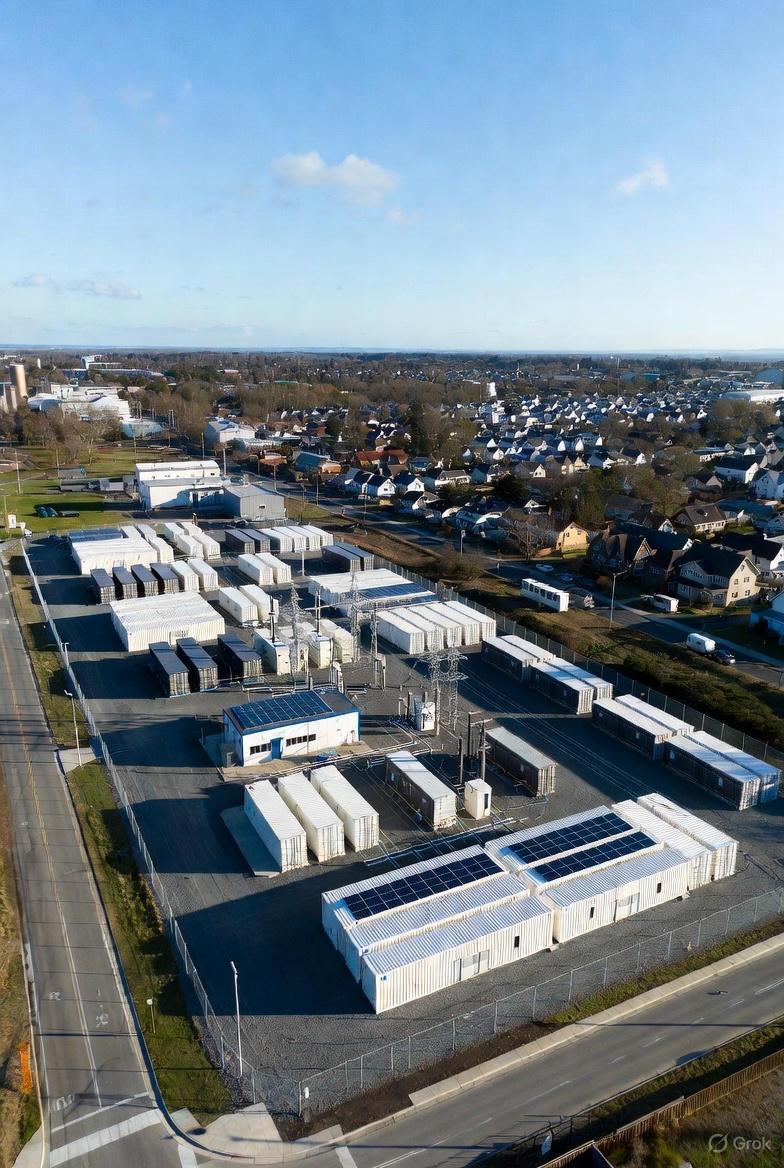
The BESS site, located in NSW, was designed to support grid stability and integrate renewable energy sources. However, during the planning and initial assessment phases, acoustic modelling revealed potential noise exceedances from operational equipment such as inverters, transformers, and Battery cooling systems. These issues risked delaying the project and incurring penalties under the EPA's Noise Policy for Industry (NPfI), which mandates strict limits on noise emissions to protect nearby residential and environmental receptors.
Key project details:
- Location: NSW, near sensitive residential areas.
- Site Capacity: 300 MW BESS installation.
- Stakeholders: Project developers, local councils, EPA regulators, and community groups.
- Timeline: Assessment and resolution completed within 2 months.


Project Challenges
The primary hurdle was ensuring compliance with EPA noisecriteria, which require noise levels to remain below specific thresholds (e.g.,36-38 dB(A) at night) at the nearest receivers which are <200m from theproject site. Initial site surveys identified:
- High tonal noise from BESS containers cooling system, inverter fans and harmonic vibrations from transformers.
- Variable operational noise influenced by weather conditions and load cycles.
- Proximity to noise-sensitive areas, amplifying the risk of community complaints.
- Budget and timeline constraints, making traditional mitigation methods (like extensive barriers) impractical.
- Terrain’s impact on noise receptors
Without intervention, the project could have faced rejectionat Scoping Report and EIS stage or costly redesigns, potentially jeopardizing renewable energy goals in the region.
Need advice on a project?
We're here to help.

Our mission is to raise the standard of the solar and smart energy sector through excellence in project development, engineering and quality management.
